Bees, for people and planet: 4-H Kenya partners with FAO for World Bee Day 2026
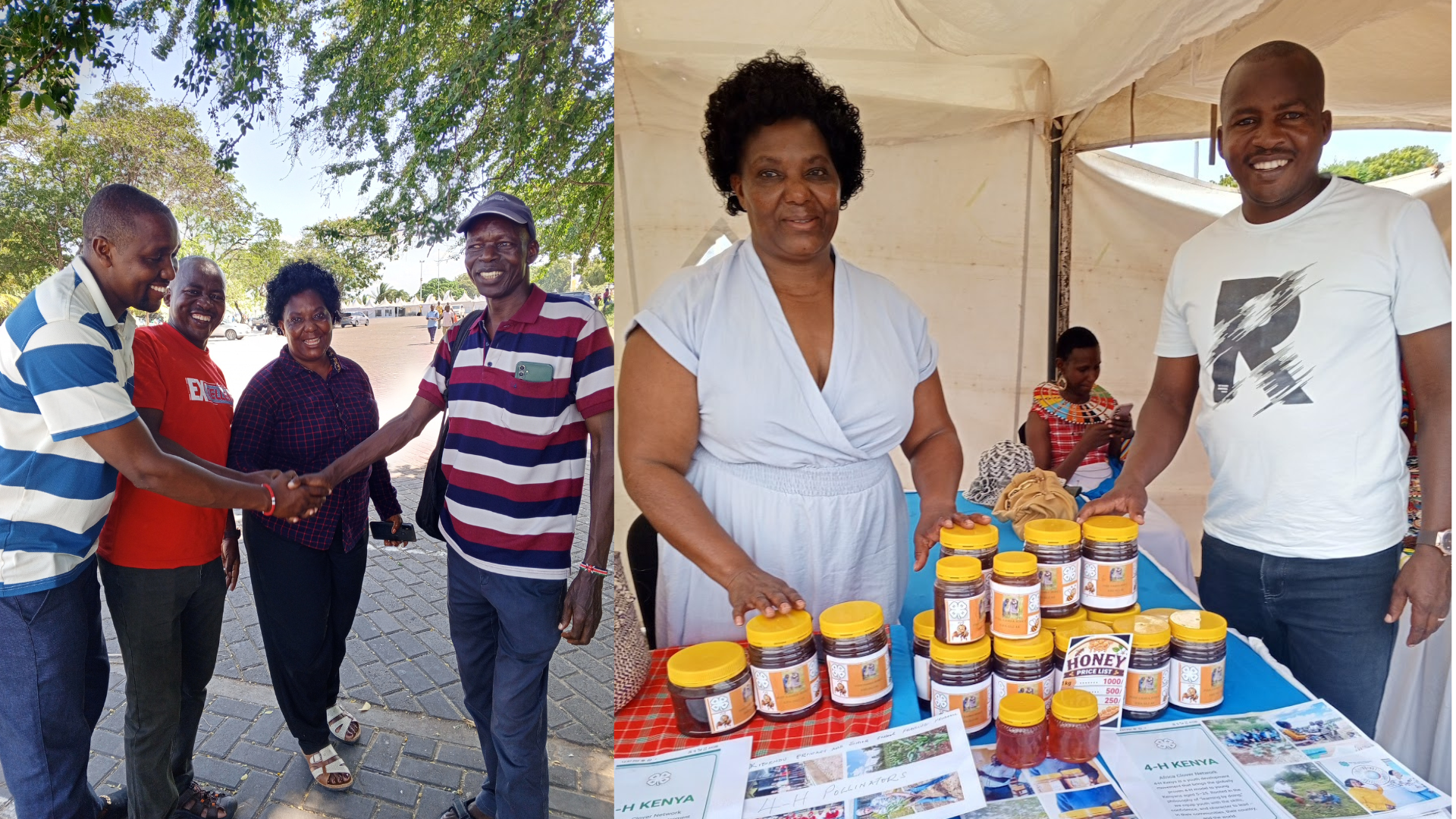
This May, 4‑H joined hands with the Food and Agriculture Organisation of the United Nations (FAO Kenya) to participate in Kenya's national World Bee Day 2026 celebrations in Mombasa — bringing school‑based beekeeping, youth‑led conservation, and the voice of pastoralist communities to one of the continent's most significant agri‑environmental platforms.
World Bee Day, marked annually on 20 May, is the United Nations' global platform for recognising the essential role of bees and pollinators in food security, biodiversity, and sustainable agriculture. Kenya's 2026 national celebrations, held under the theme "Bee Together for People and the Planet," brought together government ministries, development agencies, research institutions, private sector actors, and communities from across the country. 4‑H Kenya was the only school‑based youth development programme with a formal delegation at the event — a distinction that underscores both the depth of the organisation's programming and the strength of its partnership with FAO Kenya.
FAO Kenya's facilitation support enabled the participation of three 4‑H Kenya clubs representing ASAL regions in Kajiado, Machakos, and Kitui counties: Simon Sosoika (Nairrabala Primary), Boniface Mutunga (Kithendu Primary), and Agatah Munyiri (Kwasilu Primary). Each club carried its own story of youth‑led change. Nairrabala Primary in Kajiado — situated within a pastoralist conservation landscape adjacent to the Kikesen River Conservancy — has integrated beekeeping with indigenous rangeland stewardship. Kwasilu Primary in Kitui runs a Pollinators' Club focused on honey value addition, with learners actively involved in production, processing, and rudimentary marketing. Kithendu Primary in Machakos has combined agroforestry with tree‑seedling enterprise along the historic Yatta Furrow irrigation corridor.
“The 4‑H delegation was the only school‑based programme at the event. That visibility matters — not for us, but for the young people who now know that their beekeeping work is part of a national conversation.”
Over three days, delegation members participated in the national exhibition, presenting their school programmes to government officials, development agency representatives, and fellow practitioners. Ms. Agatah Munyiri joined a panel discussion on youth and beekeeping livelihoods as the only representative from the government‑employed teacher cohort among the panelists — a moment that placed school‑based youth programming squarely within the professional apiculture conversation. The event also generated significant global media reach, with FAO's dissemination of footage from the celebrations amplifying the visibility of Kenya's youth‑led agri‑environmental work to international audiences.
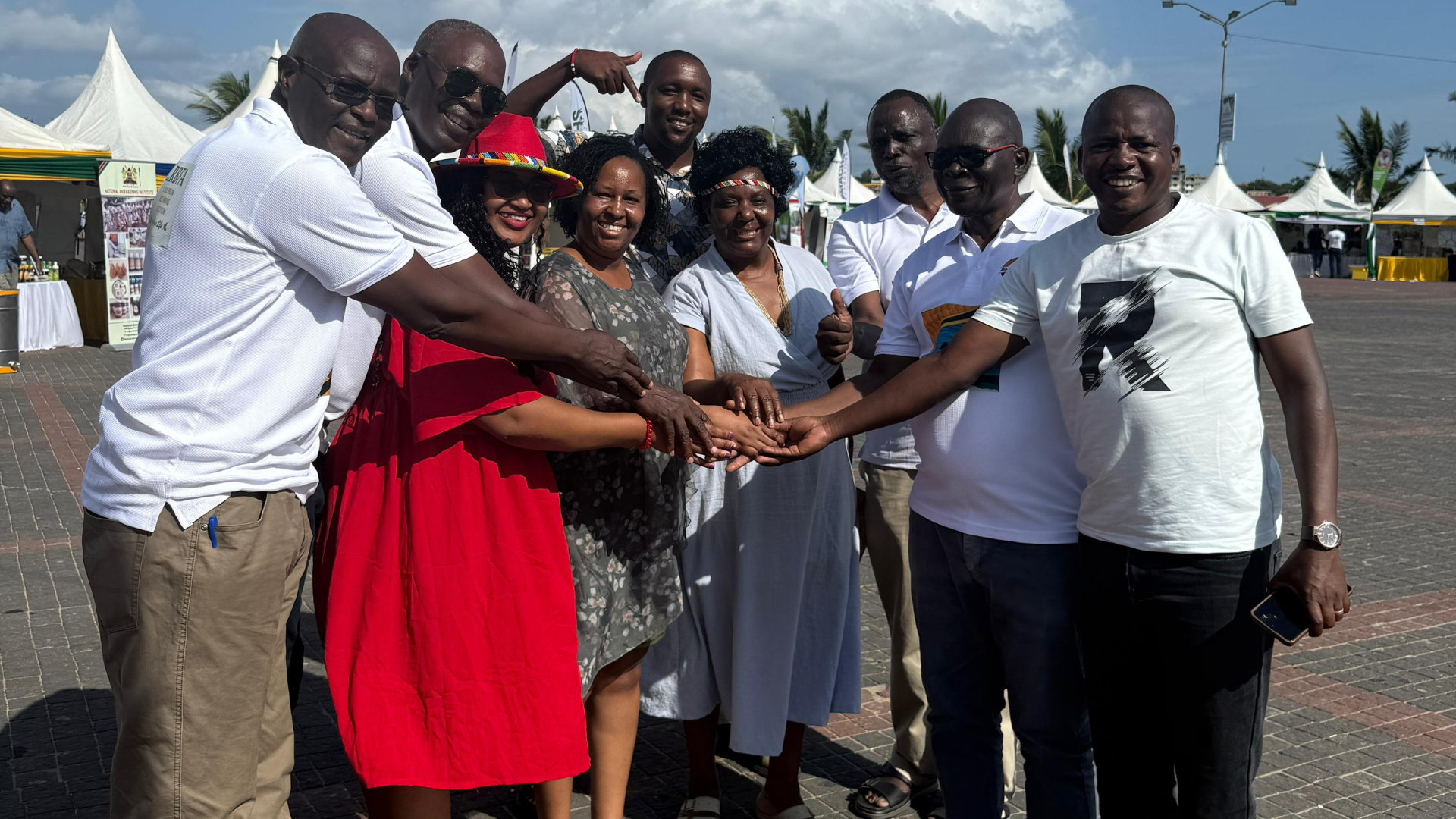
The three days in Mombasa were as much about building the future as about celebrating the present. The delegation established contact with eleven key organisations and individuals, including the Apiculture Association of Kenya (AAK), the Oasis Nectar Network, the Pest Control Products Board (PCPB), the National Bee Institute, the Narok Beekeepers Association, and the International Plant Protection Exchange (IPHEX). These relationships open pathways for curriculum integration, joint training, market access, and policy engagement that will benefit 4‑H Kenya's school programmes well beyond May 2026.
For the Africa Clover Network, World Bee Day 2026 marks an important moment in the operationalisation of its first priority focus: the expansion of 4‑H programming in rangeland and pastoralist communities of Africa. The themes of the 2026 World Bee Day — pollinator health, ecosystem services, sustainable land management, and rural livelihoods — sit precisely at the intersection of Pillar I (Agriculture & Food Systems) and Pillar III (Climate & Environment) in the ACN Strategic Plan 2026–2030.
The ACN seeks to strengthen the partnership between 4‑H and FAO Kenya to other African countries with FAO presence. Click here to access the 4-H Pollinator Toolkit. Plans are underway to partner with the State Department of Livestock Development to integrate beekeeping into the 4‑H Patrons training in August 2026. Are you interested in launching a 4‑H Pollinator Club? Get in touch with us for support!
AT A GLANCE: 4-H KENYA AT WORLD BEE DAY 2026
- Event: World Bee Day 2026 National Celebrations, Mombasa, Kenya
- Date: 20 May 2026 (3‑day programme, 18–20 May 2026)
- Theme: "Bee Together for People and the Planet"
- Delegation: 6 participants from 3 counties (Kajiado, Machakos, Kitui)
- Supporting partner: FAO Kenya
- 4‑H Clubs represented: Nairrabala Primary (Kajiado), Kithendu Primary (Machakos), Kwasilu Primary (Kitui)
- Key contacts established: 11 organisations including AAK, National Bee Institute, PCPB, Oasis Nectar Network
- ACN pillars served: Pillar I (Agriculture & Food Systems), Pillar III (Climate & Environment)
- Strategic alignment: ACN Priority Focus 1 — Rangeland and Pastoralist Communities